Writing
How I Turbocharge My Day and Knowledge with Perplexity Tasks
Staying informed and curious can feel overwhelming. Between breaking world events, cutting-edge AI research, and system design deep-dives, information overload is real. That changed the day I discovered Perplexity Tasks, my secret weapon for structured knowledge throughout the day.
The old way vs. the new way
Before Perplexity Tasks, my mornings looked like this: checking multiple news apps, scrolling through Twitter for AI updates, visiting arXiv for research papers, and manually searching for system design articles. Chaotic, time-consuming, I often missed important developments.
Now? Four simple tasks deliver everything I need, when I need it.
The power of scheduled learning
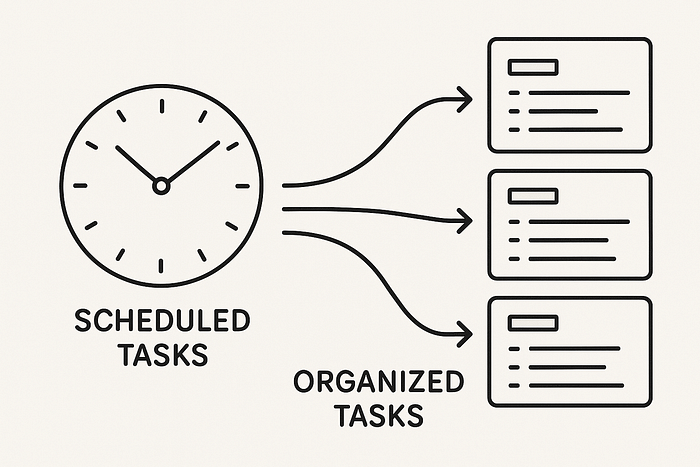
Rather than diving into chaos, I set up four daily tasks that bring me bite-sized, high-quality insights:
Early Morning (3 Tasks):
- Global News Brief - What's happening in the world right now
- Research Radar - New AI papers worth exploring
- AI Headlines - Latest industry developments
Evening (1 Task at 6 PM):
- System Design Digest - Deep details on architecture patterns, performance boosters, and emerging techniques
This simple routine keeps me curious, focused, and ahead of the curve.
Why Perplexity Tasks works
- Consistency, I know exactly when to expect new insights. No more random browser binges.
- Relevance, Custom queries ensure I only get information I care about.
- Productivity, Automating the grind means I spend time acting on insights, not chasing them.
- Depth, Evening architecture reports fuel my next project with concrete ideas.
The prompts I use
For AI news, I have a comprehensive prompt covering: recent research papers from arXiv, NeurIPS, ICML, and other venues; new model releases from OpenAI, Anthropic, Google, Meta; technical breakthroughs like novel architectures and benchmarks; and trending community topics from Twitter, Reddit, and Hacker News.
For system design, I use a dynamic topic discovery prompt that analyzes pain points in AI infrastructure, identifies scaling challenges, and walks through a full architecture deep-dive: problem discovery, architecture analysis, technology landscape, implementation patterns, trade-offs, and an observability strategy. Plus a hands-on challenge like "design an architecture handling 10K requests/second for real-time model inference on a $5,000 budget."
The learning transformation
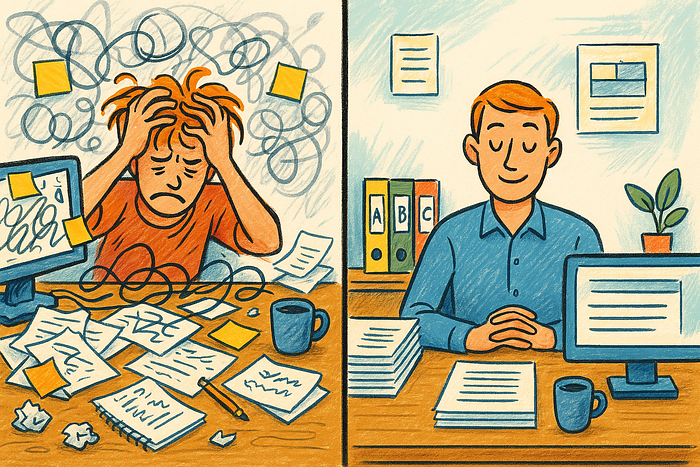
Before: 2+ hours daily browsing, often missed important developments, information from fragmented sources, no systematic tracking, felt overwhelmed.
After: 15 minutes of focused reading per session, never miss key developments, all information comes with citations and sources, clear patterns emerge from organized daily insights, feel confident and well-informed.
Power combinations: Tasks + Deep Research
The real magic happens when you combine Perplexity Tasks with Deep Research. Morning tasks give you the landscape. Deep Research lets you dive into specific topics. Evening tasks provide structured learning. Follow-up research turns interesting concepts into actionable knowledge.
This system is about building a personal learning system that compounds over time. Each daily brief builds on previous knowledge, creating connections and spotting patterns that wouldn't be visible from random browsing.